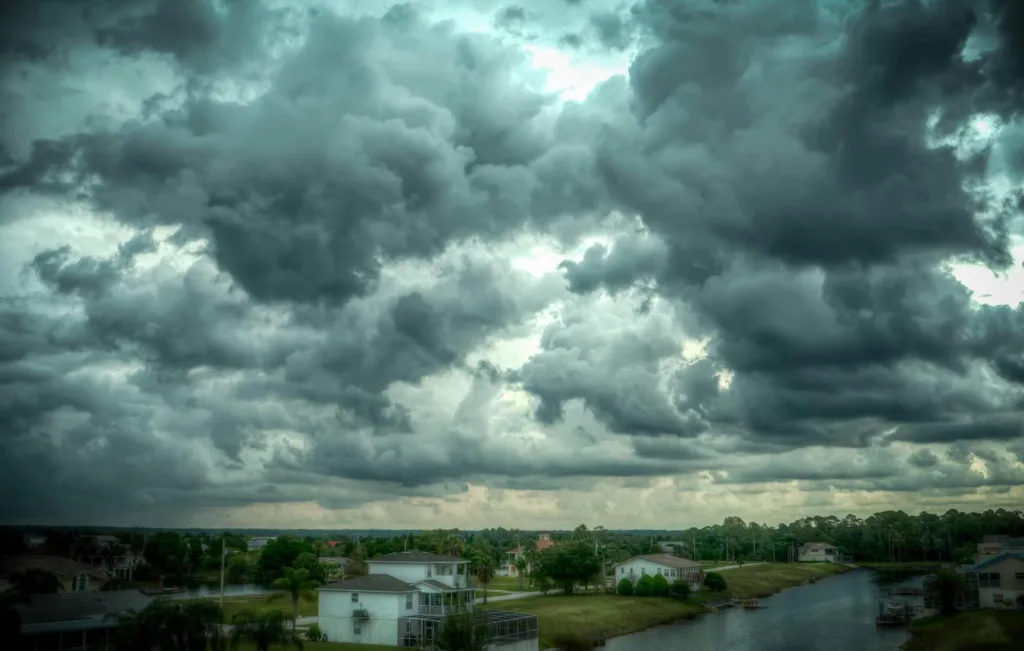
Storm damage in the Florida Keys threatens homes in Islamorada, Key Largo, Marathon, and Key West, making professional evaluation essential for protecting your investment and ensuring your family’s safety.
Key Takeaways:
- Understanding storm damage is essential for protecting your Florida Keys investment and family safety
- Roofs, windows, and doors face critical vulnerabilities after hurricane-force winds and storm surge
- Professional assessments reveal hidden damage invisible to untrained eyes
- Delaying repairs transforms minor issues into catastrophic structural failures
- Impact-resistant upgrades reduce insurance premiums while increasing property values
- Modern hurricane-rated materials provide superior protection against future weather events
- Documentation and prompt action maximize insurance claim recovery
- Local contractors with Keys-specific experience ensure code-compliant installations
Your home in the Florida Keys faces weather challenges unlike anywhere else in America. Situated between the Atlantic Ocean and the Gulf of Mexico, properties in Islamorada, Marathon, Key Largo, and Key West endure a relentless assault from salt air, tropical storms, and hurricanes that can transform from distant threats to immediate dangers in mere hours.
The same ocean breezes and stunning water views that make island living so appealing also create an environment where building materials deteriorate faster and storm damage accumulates over time. That’s why, after each significant weather event, homeowners need to determine the extent of damage and identify immediate actions to take in order to prevent small problems from becoming catastrophic failures.
Unique Challenges of Storms in the Florida Keys
The Florida Keys sit directly in one of the most active hurricane corridors in the Atlantic Basin. According to the National Oceanic and Atmospheric Administration (NOAA), the Atlantic hurricane season produces an average of 14 named storms annually, with several typically affecting the Florida Keys region. Tropical storms and hurricanes regularly track through or near the island chain during the official June through November hurricane season though storms can develop outside these months.
Category 1 and 2 hurricanes bring sustained winds of 74 to 110 miles per hour. These systems create significant roof damage, window failures, and flooding throughout communities from Key Largo to Key West. More powerful Category 3, 4, and 5 storms generate catastrophic winds exceeding 111 miles per hour, storm surge that can inundate entire neighborhoods, and rainfall totals measured in feet rather than inches.
But major hurricanes aren’t your only concern. The Keys also experience frequent tropical storms with winds of 39 to 73 miles per hour that cause substantial damage to vulnerable roofs, windows, and doors. Summer thunderstorms bring intense but localized wind gusts, lightning strikes, and torrential rain that test your home’s weather resistance nearly every afternoon during peak season.
Even tropical waves and disturbances that never develop into organized systems can produce damaging winds and flooding rains across Marathon, Islamorada, and surrounding areas. The cumulative effect of these repeated weather events accelerates deterioration and creates weaknesses that catastrophically fail during major hurricanes.
Understanding the full spectrum of storm threats your home faces helps you to appreciate why proactive roof repair, roofing replacement, window replacement, and door replacement represent essential investments rather than optional upgrades.
Assessing Your Roof After a Storm
Your roof is your home’s first line of defense against tropical weather systems. A thorough post-storm inspection reveals critical damage that, if left unaddressed, can lead to catastrophic failures during the next weather event. In the Florida Keys, even minor roof damage can quickly escalate when saltwater intrusion begins degrading the underlying structure.
- Start with a visual inspection from the ground—Look for missing or damaged shingles, displaced flashing around chimneys and vents, or areas where the roofline appears uneven or sagging.
- Check your attic or crawl space for telltale signs—Water stains on the underside of your roof decking tell a story. Dampness in insulation or streams of light penetrating from outside all indicate compromised roof integrity. Many Marathon and Islamorada homeowners discover that what appeared to be minor surface damage actually represents significant structural compromise beneath.
- Pay special attention to roof edges and corners—Hurricane-force winds create their strongest uplift pressure at roof perimeters, making these areas especially vulnerable to failure. If you notice lifted shingles, exposed underlayment, or damaged drip edge, your roof probably sustained wind damage that requires professional evaluation.
- Consider whether roof repair or complete roofing replacement makes more financial sense—While repairs may address isolated damage, homes built before current wind-resistance standards often benefit from full replacement with modern, hurricane-rated materials that provide superior protection during future storms.
According to the Insurance Institute for Business & Home Safety (IBHS), proper roof installation can reduce wind damage by up to 60% compared to standard construction methods.
Window Integrity: Your Home’s Vulnerable Points
Windows represent critical weak points in your home’s storm defense system. In the corrosive salt air environment of Key West and Key Largo, small cracks expand rapidly as saltwater intrusion deteriorates the surrounding frame and seal.
What starts as barely visible damage becomes a major vulnerability within weeks.
- Examine each window carefully for cracks in the glass—Even hairline fractures compromise your window’s structural integrity and its ability to withstand future wind pressure.
- Test the operation of every window in your home—Difficulty opening or closing windows often indicates frame damage or structural shifting caused by storm forces. Windows that no longer lock properly or show gaps between the sash and frame allow water infiltration and reduce your home’s energy efficiency.
- Inspect window seals and weatherstripping—Deteriorated seals allow wind-driven rain to penetrate your home’s envelope, leading to interior water damage, mold growth, and increased cooling costs. The extreme weather conditions in the Florida Keys accelerate seal deterioration beyond what homeowners in other regions experience.
- Consider modern window replacement options— Impact-resistant glass and reinforced frames engineered specifically for coastal hurricane zones not only protect your home during storms but can also reduce insurance premiums and dramatically improve energy efficiency in the Keys’ year-round cooling climate.
The Federal Alliance for Safe Homes (FLASH) reports that impact-resistant windows can reduce insurance costs by 10-45% in high-risk coastal areas.
Door Replacement: Strengthening Your Entry Points
Exterior doors often sustain hidden damage that compromises your home’s security and weather resistance. In coastal environments, even slightly misaligned doors allow salt air and moisture infiltration that accelerates deterioration of interior finishes and framing.
Wind pressure during major storms can blow in standard doors, instantly compromising your home’s envelope and exposing the interior to catastrophic wind and water damage.
- Check door alignment and operation—Doors that stick, won’t latch properly, or show gaps around the frame indicate structural movement or direct storm damage.
- Examine door frames for water damage or rot—The threshold and bottom of the door frame are especially susceptible to water intrusion during storm surge events common throughout the Florida Keys. Soft spots, discoloration, or visible decay require immediate attention before structural compromise spreads.
- Assess your door’s impact resistance—Older doors not rated for hurricane zones represent significant vulnerabilities during tropical storms and hurricanes. Once wind enters through a failed door, the pressure differential can literally tear your roof off.
- Invest in door replacement with impact-rated systems—Modern exterior doors improve energy efficiency, enhance security, reduce exterior maintenance requirements, and increase property value throughout Key Largo, Islamorada, Marathon, and Key West.
Siding Damage: Protecting Your Home’s Exterior Envelope
Your home’s siding serves as a crucial barrier against the elements, and storm damage to this protective layer can have far-reaching consequences. Wind-driven rain, flying debris, and the relentless salt air of the Florida Keys create unique challenges for exterior siding materials.
Compromised siding allows moisture to infiltrate, resulting in structural rot, mold growth, and dramatically increased energy costs.
- Walk around your entire home to inspect for visible damage—Look for cracked, loose, or missing siding panels, dents from impact damage, and areas where siding has pulled away from the structure. Pay attention to corners, edges, and areas around windows and doors where wind forces concentrate.
- Check for water intrusion behind the siding—Staining, discoloration, or bulging siding panels indicate that water has penetrated behind the exterior surface. This hidden moisture causes wood rot, rusts metal fasteners, and creates ideal conditions for mold growth that threatens your home’s structural integrity and indoor air quality.
- Examine caulking and seals around penetrations—Storm winds can compromise the seals around utility penetrations, outdoor fixtures, and trim work. Failed seals allow water and salt air to enter wall cavities, causing damage that spreads far beyond the visible exterior.
- Consider siding materials designed for coastal environments—Modern fiber cement, engineered wood, and vinyl siding products offer superior resistance to salt air corrosion, impact damage, and moisture intrusion compared to traditional materials. These upgrades provide long-term protection while reducing maintenance requirements in the harsh Keys climate.
Storm Surge and Water Intrusion: Hidden Destroyers
Water damage from storm surge often causes more long-term problems than wind damage.
Water Lines on Exterior Walls and Interior Surfaces
These marks indicate how high surge waters rose during the storm, enabling you to identify areas where saltwater penetrated your home’s structure.
Saltwater intrusion creates ongoing corrosion problems that worsen over time without proper remediation. According to the National Flood Insurance Program (NFIP), even one inch of floodwater can cause over $25,000 in damage to a home.
Signs of Mold or Mildew Growth
In the Florida Keys’ humid climate, mold can establish itself within 24 to 48 hours after water intrusion. Musty odors, visible discoloration on walls or ceilings, or respiratory symptoms among household members would indicate active mold problems requiring immediate attention.
Storm surge can undermine foundations, create cracks in concrete block construction, and saturate wall cavities with corrosive saltwater.
These issues may not become apparent until weeks or months after the storm when structural settling or deterioration becomes visible. By then, the damage will have already spread far beyond the initial intrusion point.
Make sure that you document all water damage thoroughly with photographs and detailed notes. This documentation will prove essential for insurance claims as well as help contractors to provide accurate estimates for necessary repairs or replacements.
Understanding the Timeline for Repairs and Replacement
Acting quickly after storm damage protects your home and your financial interests. Time isn’t on your side if water intrusion continues, structural damage worsens, and contractor availability becomes increasingly scarce.
The difference between a $500 repair today and a $15,000 reconstruction project next month often comes down to how quickly you act.
- Make immediate temporary repairs to prevent secondary damage—Cover damaged roof areas with tarps, board broken windows, or secure compromised doors to stop ongoing water intrusion and limit additional deterioration while you arrange permanent solutions.
- Report damage to your insurance company within required timeframes—Most homeowner insurance policies include specific deadlines for reporting damage and completing repairs. Delays in assessment or repair work can jeopardize your coverage and leave you personally responsible for costs that should be covered.
- Contact qualified contractors as soon as possible—Throughout the Florida Keys, demand for roof repair, roofing replacement, window replacement, and door replacement services skyrockets following significant weather events. Homeowners who act decisively secure qualified contractors while others face extended wait times and potentially higher costs.
- Start the permitting process early—Building departments face overwhelming permit application volumes after major storms, especially in areas like Monroe County covering the entire Florida Keys. Starting your repair or replacement process early will ensure that you maintain priority in the queue.
- Schedule professional inspections even if you don’t observe obvious damage—Many critical problems remain invisible to untrained eyes, and early detection prevents minor issues from becoming major expenses.
Upgrading to Hurricane-Resistant Systems
Modern building products offer protection levels that are impossible with older construction methods.
Impact-Resistant Roofs
These roofing systems combine multiple protective features. Advanced shingles or metal roofing rated for high wind speeds, reinforced roof decking, improved underlayment systems, and enhanced attachment methods work together to keep your roof intact during extreme weather.
These systems are engineered specifically for the unique challenges faced by homes in Marathon, Key West, and other coastal communities.
Impact-Rated Windows and Doors
You can stop flying debris with impact-rated windows and doors. During hurricanes, wind-borne projectiles cause most window and door failures, which then allow wind pressure to enter the home and potentially blow off the entire roof. Impact-resistant systems withstand debris strikes while maintaining their structural integrity and seal.
However, even the best hurricane-rated materials fail if not installed according to manufacturer specifications and Florida Building Code requirements.
Experienced contractors familiar with Keys-specific installation challenges ensure that your upgrades deliver their full protective potential. According to the Florida Building Commission, proper installation techniques are just as critical as material selection in achieving rated performance.
Energy Efficiency Improvements
You gain ongoing dividends by making energy efficiency improvements. Beyond storm protection, modern windows, doors, and roofing systems dramatically reduce cooling costs in the tropical climate of the Florida Keys. Many homeowners find that energy savings partially offset their upgrade investment within just a few years.
Upgrading vulnerable components transforms your home from a structure that merely survives storms into one that weathers them with minimal damage while protecting your family and possessions.
Preparing for the Future
Upgrading your home’s storm resistance delivers a return on investment (ROI) beyond damage prevention as many insurance carriers offer significant discounts for impact-resistant roofing, windows, siding, and doors. These ongoing savings accumulate over time, continuing to increase the ROI on your storm hardening project.
Some homeowners recover their upgrade costs through insurance savings alone within 7-10 years. Modern storm-resistant materials typically require less maintenance than older products while lasting longer in the harsh coastal environment, improving your home’s total cost of ownership. You spend less time and money on repairs and more time enjoying your Keys lifestyle.
Buyers throughout the Florida Keys pay premium prices for homes with documented hurricane upgrades, and your investment in roofing replacement, window replacement, siding replacement, and door replacement enhances marketability and supports higher sale prices. Better windows, doors, and roofing systems dramatically improve your home’s thermal envelope, reducing air conditioning costs year-round in the Florida Keys’ tropical climate.
Knowing that your home can withstand major storms without catastrophic damage eliminates the anxiety many coastal homeowners experience during hurricane season. According to the Remodeling Impact Report from the National Association of Realtors, exterior improvements including roofing and window replacement consistently rank among the highest-value home improvements.
True Cost of Delaying Necessary Repairs
Postponing storm damage repairs creates compounding problems and escalating costs.
Small Leaks Becoming Major Water Damage
A minor roof compromise that would cost hundreds to repair could quickly deteriorate into thousands of dollars in damaged ceilings, walls, insulation, and interior finishes. In the humid Florida Keys environment, this progression happens remarkably fast. What you ignore today could cost ten times more next month.
Structural Damage Worsening over Time
Compromised roofing, windows, or doors allow ongoing water intrusion that rots framing members, corrodes fasteners, and weakens your home’s structural integrity. What begins as a localized repair need can expand into extensive reconstruction requirements.
Insurance carriers may deny claims for damage that occurred after an initial event if you failed to make timely repairs. Secondary damage resulting from neglected maintenance rather than storm impact typically falls outside coverage parameters. You could lose tens of thousands in coverage simply because you waited too long to act.
Property Values Declining
Visible storm damage or deferred maintenance reduces your home’s market value and can complicate future sale transactions. Buyers and their inspectors carefully scrutinize storm-prone areas like Islamorada and Key Largo, and unaddressed issues become significant negotiating points.
Each unrepaired weakness in your home’s envelope creates an entry point where the next weather system can cause exponentially greater damage.
A small roof problem could become a catastrophic failure point during the next hurricane season. The National Association of Home Builders estimates that preventive maintenance costs roughly 1% of a home’s value annually while deferred maintenance can cost 10-15% when problems compound.
Addressing storm damage promptly protects your investment, maintains your insurance coverage, preserves your property value, and ensures that your home is ready to face the next inevitable tropical weather system.
Working with Qualified Contractors in the Florida Keys
Selecting the right professionals will determine whether your repairs and replacements provide lasting protection. The unique challenges of construction in the Florida Keys require specialized knowledge of salt air corrosion, humidity management, wind load requirements, and elevation standards.
Never work with unlicensed contractors regardless of cost savings they promise; those savings disappear quickly when substandard work fails during the next storm.
- Verify licensing and insurance coverage—Florida requires specific licensing for roofing and general contractors, and reputable professionals carry comprehensive liability and workers compensation insurance.
- Seek contractors with local experience—Contractors from outside the region often lack understanding of the critical factors specific to the construction challenges of the Florida Keys.
- Request detailed written estimates—Quality contractors provide comprehensive proposals specifying materials, installation methods, timeline, payment schedule, and warranty terms. Vague estimates or pressure for large deposits signal potential problems.
- Check references from recent storm repair projects—Speaking with homeowners who used a contractor for roof repair, roofing replacement, window replacement, siding, or door replacement after recent storms provides valuable insight into work quality, communication, timeline adherence, and problem resolution.
- Understand the warranty coverage—Reputable contractors warranty both their workmanship and the materials they install. Understand what’s covered, for how long, and what actions might void warranty protection.
Building a relationship with qualified local contractors before you need emergency repairs ensures that you have trusted professionals ready to respond when storms strike.
Insurance Navigation and Documentation Best Practices
Proper documentation and claim management maximize your insurance recovery. Many Florida Keys homeowners carry separate windstorm and flood policies with different coverage parameters so understanding your deductible, coverage limits, exclusions, and claim filing requirements prevents surprises during the claims process.
The more documentation you have, the stronger your claim becomes.
- Photograph and video all damage immediately—Comprehensive visual documentation from multiple angles creates irrefutable evidence of storm impact. Include close-ups of specific damage and wide shots showing context and extent.
- Maintain detailed written records—Note the date and time you discovered damage, weather conditions during and after the storm, and a complete inventory of affected areas and items. This documentation supports your claim and helps to ensure that nothing’s overlooked.
- Review your policy coverage carefully—Know exactly what each policy covers before you need to file a claim.
- Report damage promptly—Most policies require notification within specific timeframes after damage occurs. Delays in reporting can jeopardize your coverage or complicate the claims process.
- Consider hiring a public adjuster for significant damage—These professionals work for you rather than the insurance company and can help to ensure that you receive fair compensation for all covered damage. Their expertise often proves valuable when dealing with complex claims involving roof repair, roofing replacement, window replacement, and door replacement. According to the United Policyholders organization, public adjusters can increase claim settlements by an average of 747% compared to what homeowners negotiate on their own.
- Coordinate contractor estimates with insurance adjusters—Having professional assessments of necessary repairs helps to ensure that insurance settlements adequately cover the work your home requires. Don’t settle for inadequate claim payments that leave you unable to properly restore your property.
Thorough documentation and proactive claim management transform the often frustrating insurance process into a smoother experience that delivers the coverage you’ve been paying for.
Preparing Your Home for the Next Storm Season
Every hurricane season brings new threats to Florida Keys properties. Prevention costs far less than emergency repairs—just consider: a $200 inspection today could save you $20,000 in storm damage next year.
Proactive preparation transforms you from a reactive homeowner dealing with damage after each storm into someone who confidently weathers tropical weather systems with minimal disruption. Here’s what you need to do:
- Schedule annual professional inspections—Regular assessments of your roof, windows, siding, doors, and overall structure will identify emerging problems before they become failures during storms.
- Maintain detailed home improvement records—Documentation of repairs or replacement of roofs, doors, siding, or window work proves compliance with building codes and can support future insurance claims or property sale transactions.
- Create and maintain a storm preparation checklist—Knowing exactly what actions you need to take when a storm threatens eliminates the chaos and oversight that tends to happen during last-minute preparations. Include tasks like securing loose items, installing storm shutters, and documenting your home’s prestorm condition. A well-rehearsed plan makes all the difference when a storm forms unexpectedly.
- Build relationships with contractors before emergencies—Establishing connections with qualified roofing, window, and door professionals ensures that you’ have’ll get priority access during the poststorm contractor shortage that inevitably follows major weather events.
- Consider additional protective upgrades over time—While comprehensive storm hardening represents a significant investment, spreading improvements across multiple years makes the financial burden more manageable while steadily reducing your vulnerability.
- Review and update insurance coverage annually—Property values, construction costs, and coverage needs change over time. Regular policy reviews will ensure that your protection keeps pace with your home’s value and the replacement costs for critical components.
Consider storm hardening investments as comprehensive home improvements that enhance multiple aspects of ownership rather than simply as damage prevention expenses.
Sources of information:
- Federal Alliance for Safe Homes (FLASH): Protect Your Windows
- Insurance Institute for Business & Home Safety (IBHS): IBHS research shows two critical ways to reduce risk of storm damage ahead of potentially active hurricane season
- International Code Council (ICC): Digital Codes: 2023 Florida Building Code, Test Protocols for High Velocity Hurricane Zone, Eighth Edition
- National Association of Home Builders (NAHB): Operating Costs of Owning a Home
- National Association of Realtors: Remodeling Impact
- National Flood Insurance Program (NFIP): Just 1 inch of floodwater can cause roughly $25,000 of damage to your home
- National Oceanic and Atmospheric Administration (NOAA): National Hurricane Center and Central Pacific Hurricane Center: Tropical Cyclone Climatology
- Office of Program Policy Analysis and Government Accountability (OPPAGA): Public Adjuster Representation in Citizens Property Insurance Corporation Claims Extends the Time to Reach a Settlement and Also Increases Payments to Citizens’ Policyholders
Frequently Asked Questions
As a Florida Keys homeowner, you face unique challenges when assessing and repairing storm damage to your property. The questions below address the most common concerns we hear from homeowners in Islamorada, Key Largo, Marathon, and Key West about roof repair, roofing replacement, window replacement, door replacement, and navigating the recovery process after tropical storms and hurricanes impact your home.
How soon after a storm should I inspect my home for damage?
Inspect your property as soon as it’s safe to do so after a storm passes. Early detection of damage allows you to make temporary repairs that prevent secondary issues, document problems while they’re clearly storm-related, and begin the insurance claim process within required timeframes. However, never risk your safety by inspecting during dangerous conditions.
Can I repair my roof myself after storm damage, or do I need a professional?
While minor repairs like replacing a few shingles might be within a homeowner’s abilities, roof work is dangerous and the Florida Building Code requires permits for most roof repairs. Professional contractors have the expertise to identify hidden damage, ensure that repairs meet code requirements, and provide warranties on their work. Additionally, improper do-it-yourself (DIY) repairs can void existing roof warranties and create insurance complications.
How do I know if I need roof repair or complete roofing replacement?
This depends on the extent of damage, your roof’s age, and its overall condition. Generally, if damage affects more than 25-30% of your roof, if your roof is approaching the end of its expected lifespan, or if you have widespread deterioration beyond just storm damage, replacement makes more financial sense than repeated repairs. A qualified roofing contractor can assess your situation and provide honest guidance.
Are impact-resistant windows worth the investment in the Florida Keys?
Impact-resistant windows provide excellent value in the Florida Keys through multiple benefits such as superior storm protection, insurance premium discounts, enhanced security, improved energy efficiency, and increased property values. While initial costs exceed standard windows, the combination of insurance savings, reduced cooling costs, and damage prevention typically provides positive returns over the windows’ lifespan.
What’s the difference between “impact-resistant” and “hurricane-rated” doors?
These terms are often used interchangeably, but specifically, impact-resistant doors are tested to withstand debris strikes without breaching while hurricane-rated doors meet broader requirements including wind pressure resistance and water infiltration prevention. For Florida Keys homes, look for doors meeting the Florida Building Code requirements for your specific wind zone and ensure proper installation.
How long does roofing replacement take in the Florida Keys?
Typical roofing replacement takes three to seven days for an average-sized home under normal conditions. However, after major storms, material availability and contractor scheduling can extend timelines significantly. Permitting requirements, weather delays, and the complexity of your specific roof also affect duration. Quality contractors provide realistic timelines and communicate proactively about any changes.
Will my insurance cover the full cost of storm damage repairs?
Build relationships with reputable contractors before storms strike. Ask neighbors for recommendations, verify licensing and insurance, and check reviews and references. After major storms, be wary of out-of-state contractors who flood the area with low bids and poor work. Local established businesses have reputations to protect and will be available if problems arise after they complete your work.
What’s the typical lifespan of a roof in the Florida Keys?
Roof lifespan in the Florida Keys is significantly shorter than in other regions due to intense sun, salt air, humidity, and storm exposure. Asphalt shingle roofs typically last 12-20 years while metal roofing can last 30-50 years with proper maintenance. Tile roofs can exceed 50 years though individual tiles may require periodic replacement. Regular inspections and maintenance extend any roof’s functional life.
Should I upgrade windows and doors at the same time as roof replacement?
Coordinating these upgrades offers several advantages: you deal with one contractor timeline and disruption period, you may negotiate better pricing for bundled work, you ensure your entire home envelope meets current standards simultaneously, and you document comprehensive storm hardening for insurance purposes. However, budget constraints may require phasing improvements over time, which is perfectly reasonable.
Take Action to Protect Your Florida Keys Home
Your home weathered the last storm, but is it ready for the next one?
Don’t wait for the next hurricane warning to discover your roof’s vulnerabilities, your windows’ weaknesses, or your doors’ failure points. Every day you delay necessary roof repair, roofing replacement, window replacement, or door replacement is another day in which your home and family face unnecessary risk.
Whether you’re in Islamorada watching the sunrise, enjoying Marathon’s laid-back atmosphere, exploring Key Largo’s coral reefs, or savoring Key West’s vibrant culture, you deserve the peace of mind that comes from knowing that your home can withstand whatever tropical weather systems develop.
Schedule your comprehensive storm damage assessment today. Professional evaluation identifies problems you may miss and provides the expert guidance you need to make informed decisions about repairs and upgrades. Understanding your home’s true condition is the first step toward ensuring that it’s ready to face future storms with confidence.
Contact us for a detailed evaluation of your home exteriors: roof, windows, siding, and doors. We’re local and specialize in helping Florida Keys homeowners protect their investments with quality repairs and hurricane-rated replacements designed specifically for our unique coastal environment. Our local expertise, commitment to quality, and understanding of the challenges you face make us your trusted partner in storm hardening your home.
Don’t let the next storm find you unprepared. Take control of your home’s future today.