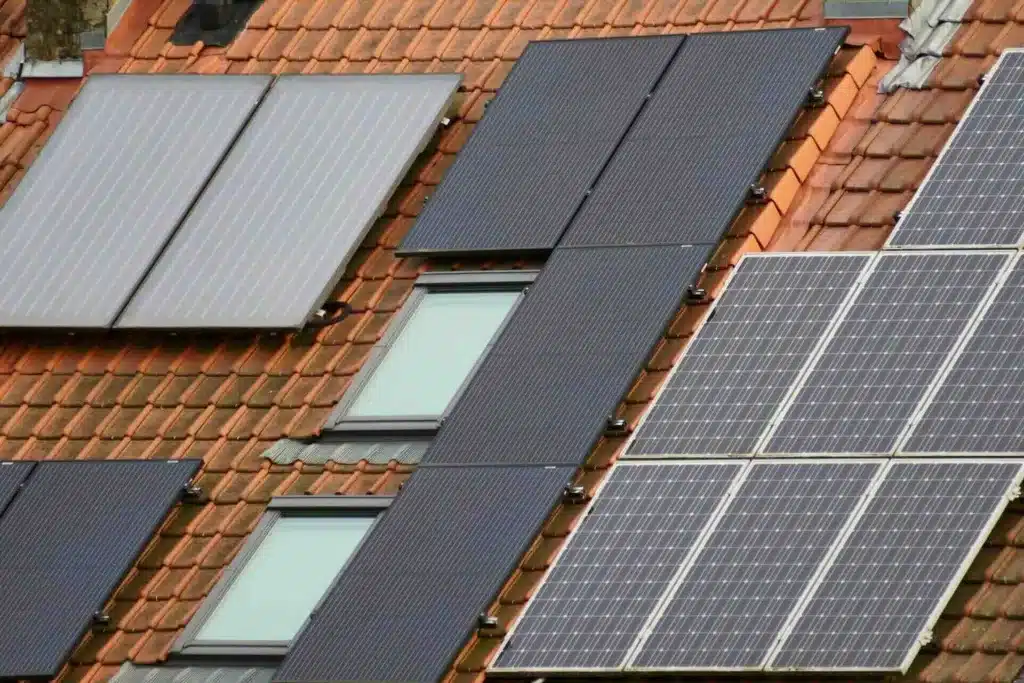

Here in the Keys, energy efficient homes combine a tight building envelope, impact-rated windows and doors, properly sized HVAC, ENERGY STAR appliances, and renewable systems such as solar to reduce cooling costs that often run nearly double the national average.
Key Takeaways
- Florida Keys homes use about twice the cooling energy of the national average, which means that efficiency upgrades often pay back faster here than in most of the country.
- The building envelope, which consists of windows, doors, roof, insulation, and air sealing, is responsible for an estimated 60-70% of potential savings so you need to address it first.
- ENERGY STAR-certified impact windows serve two functions in the Keys: hurricane protection and reduced cooling losses.
- The Florida Keys Electric Cooperative Association (FKEC) offers up to $500 per year in rebates on qualified upgrades for primary residences in their service territory.
- The federal Energy Efficient Home Improvement Credit (Section 25C) covers up to $3,200 per year in tax credits through 2032.
- Layered improvements outperform single fixes; a cool roof combined with a radiant barrier and a right-sized HVAC system delivers more value than any of those upgrades alone.
When was the last time you really looked at your home—not just lived in it, but truly inspected it? The holiday season brings family, festivities, and often a fair amount of wear and tear that goes unnoticed until it becomes a problem. For homeowners across the Florida Keys, the start of a new year is a perfect opportunity to give your home the attention it deserves before the storm season arrives.
Why Energy Efficiency Matters in the Florida Keys
U.S. Energy Information Administration (EIA) data consistently ranks Florida among the top three states for residential cooling energy use. The Florida Keys are in the hottest, most humid corner of the state.
The Keys don’t experience a true winter. The Florida Climate Center has documented that South Florida’s hot season has lengthened by about three weeks over recent decades. As a result, residential cooling systems run longer each year than they did a generation ago.
Three additional factors are specific to this 113-mile chain of islands:
- Salt air corrosion that affects ductwork, condenser coils, and metal fasteners more aggressively than on the mainland
- Hurricane exposure that requires envelope upgrades to also serve as storm protection
- Higher residential electricity rates through the FKEC and Keys Energy Services compared to most of the state
When a homeowner in Key Largo or Marathon completes the same insulation upgrade as someone in Tallahassee, the Keys homeowner generally sees a faster financial return. The challenging climate, in this respect, works in the homeowner’s favor.
Start with the Building Envelope
The U.S. Department of Energy (DOE) has been consistent in its guidance on sequencing: seal the home and improve insulation before investing in new heating, cooling, or water heating equipment. The reasoning is straightforward.
New equipment sized for a leaky, poorly insulated home will be larger, more expensive, and less efficient than the same equipment installed after envelope improvements have reduced the load it must handle.
Air Sealing
Most older Keys homes leak conditioned air at the following points:
- Recessed can lights in ceilings
- Plumbing penetrations under sinks and behind toilets
- Attic hatches and pull-down stairs
- Intersection of wall framing and roof deck (the top plate)
- Joints in ductwork located in unconditioned attic space
A blower-door test conducted by a certified energy auditor will identify these leaks within a few hours. ENERGY STAR estimates that air sealing combined with proper attic insulation can reduce heating and cooling costs by an average of 15 percent.
Insulation Suited to the Keys Climate
Open-cell spray foam applied to the roof deck is widely considered the most effective option in our region because it brings the attic into the conditioned envelope and protects ductwork from attic temperatures that can exceed 130°F. Closed-cell spray foam adds higher R-value per inch and provides a moisture barrier, which is useful in flood-zone homes.
For homeowners who prefer a vented attic, a target of R-38 minimum using blown-in fiberglass or cellulose, paired with a radiant barrier installed on the underside of the roof deck, performs well in our climate.
Roofing Choices
In the Keys, roofing decisions carry particular weight. Cool-roof metal panels reflect 60 to 70 percent of solar radiation compared to approximately 15 percent for traditional dark asphalt shingles. The FSEC Energy Research Center (formerly the Florida Solar Energy Center) has documented cooling load reductions of 10 to 25 percent from cool roof installations in South Florida climates.
Metal roofing systems also perform better under hurricane uplift than most alternatives, which has implications for both safety and insurance costs in Islamorada, Key West, and the rest of the Keys island chain.
Windows and Doors: Combined Hurricane Protection and Efficiency
Delivering three returns at once in the Keys, window and door upgrades result in lower cooling costs from reduced heat gain and air infiltration, hurricane protection that meets Monroe County code, and insurance premium discounts that often offset a share of the upgrade cost. That combination makes them the strongest single investment many homeowners will make for their homes.
When shopping for impact windows and doors, the following specifications matter most for Keys homes:
- Impact-rated glazing certified to Florida Building Code requirements for High-Velocity Hurricane Zones (HVHZ), which apply throughout Monroe County
- Low-E coatings with a Solar Heat Gain Coefficient (SHGC) of 0.25 or lower
- U-factor of 0.30 or below
- ENERGY STAR certification for the Southern climate zone
Standard nonimpact windows present both code and insurance issues in the Florida Keys. Properly installed impact windows can qualify homeowners for wind premium discounts of 20 percent or more on their insurance in addition to the energy savings.
Exterior doors deserve similar attention. They’re often the lowest-performing component of the envelope. A fiberglass or steel door with proper weatherstripping, an insulated core, and impact rating addresses three issues at once: air infiltration, radiant heat transfer, and storm protection.
Cooling Systems: Proper Sizing Outperforms Larger Capacity
Florida Power & Light and ENERGY STAR both report that residential HVAC systems are commonly oversized by 20 to 30 percent. This typically results from contractors estimating loads based on square footage rather than performing a Manual J calculation. Oversized units cycle on and off too quickly to remove humidity properly, which reduces comfort and shortens equipment life.
For a home in the Keys, the relevant specifications are:
- SEER2 rating of 16 or higher, which meets current federal efficiency standards
- Variable-speed or two-stage compressor, which manages humidity more effectively than a single-stage unit
- Sizing based on a Manual J load calculation rather than a square-footage rule of thumb
- Ductwork sealed with mastic rather than tape, and tested for leakage after installation
A smart thermostat carrying ENERGY STAR certification can reduce cooling costs by an additional 8 to 10 percent through scheduled setbacks and humidity management. This is especially relevant for second-home owners who leave properties unoccupied for extended periods.
Water Heating, Underestimated 18 Percent
The DOE identifies water heating as the second-largest energy expense in most homes, accounting for 14 to 18 percent of utility bills. Three options work well in the Keys:
- Heat pump water heaters, which use approximately one-third the energy of electric resistance models and qualify for federal tax credits
- Solar water heaters, which perform exceptionally in this climate and can produce nearly all domestic hot water during much of the year
- Tankless on-demand units, which suit smaller homes and second homes that remain unoccupied for periods of time
The FKEC offers rebates on qualified high-efficiency water heater upgrades. Homeowners should verify current eligibility before purchasing.
Solar in the Keys
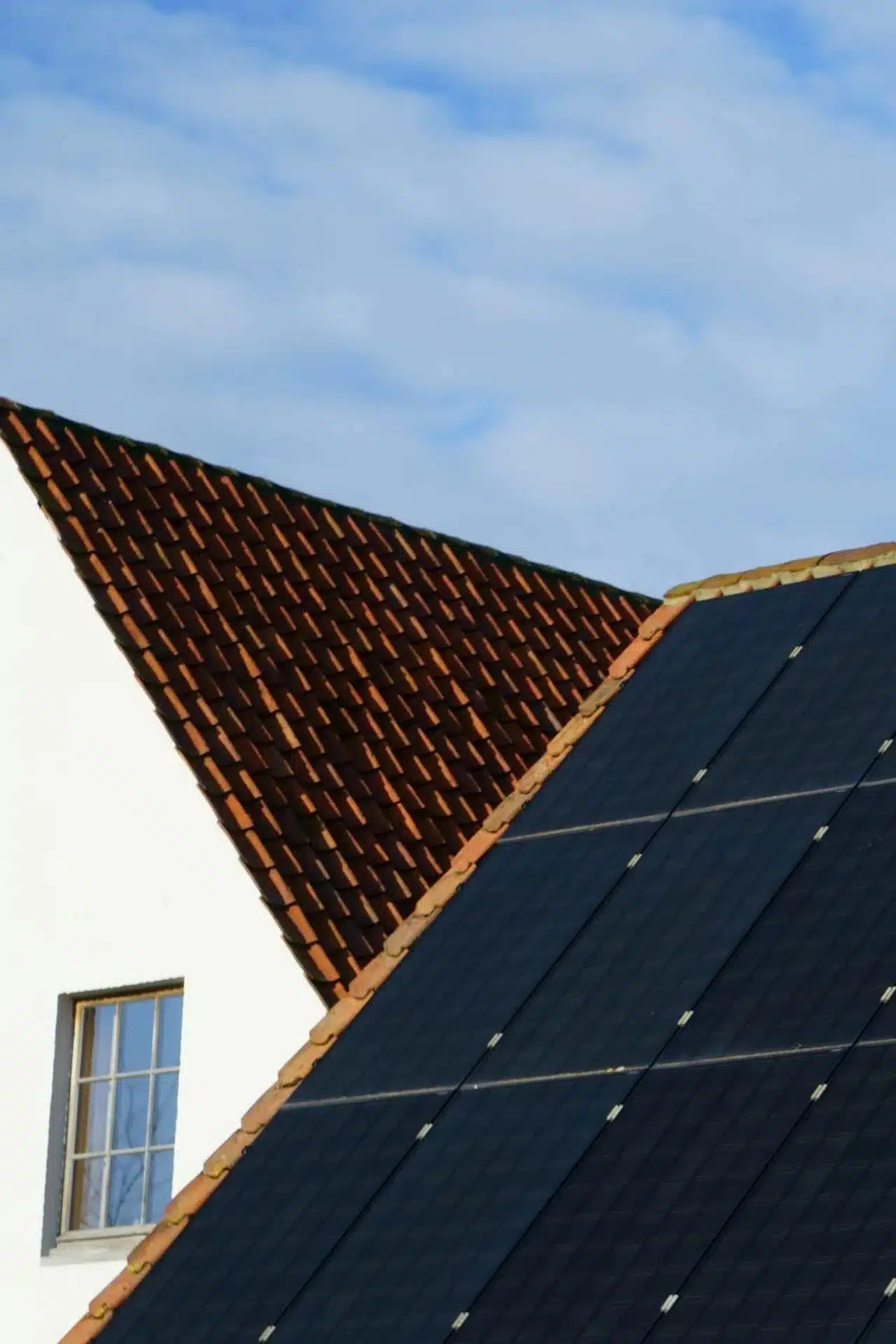
The National Oceanic and Atmospheric Administration (NOAA) climate data indicates that the Keys get more than 270 days of usable sun per year. Combined with our region’s higher electricity rates, solar payback periods are usually shorter here than in most of the country.
Three considerations are important before committing to a system:
- Hurricane wind ratings—Work only with installers who use racking systems rated for HVHZ wind speeds of 180 mph or higher.
- Net metering policy—The Florida Public Service Commission (PSC) has been adjusting compensation structures so confirm current terms with FKEC or Keys Energy Services before proceeding.
- Federal tax credit—The 30 percent Residential Clean Energy Credit applies to total system costs including battery storage, and runs through 2032 under current law.
Battery storage pays off faster in the Keys than in most regions because tropical weather routinely disrupts grid service. A combined solar-and-battery system can maintain refrigeration and cooling during outages.
Smaller Upgrades with Surprising ROI
Several practical upgrades deliver measurable savings and can be done without hiring a contractor:
- LED bulbs throughout the home use approximately 75 percent less energy than incandescent bulbs and last 25 times longer, according to the DOE.
- Smart power strips eliminate phantom loads from electronics, which can account for 5 to 10 percent of household electricity use.
- Ceiling fans set to summer rotation allow thermostat settings to be raised by 2 to 4°F without a noticeable change in comfort.
- Caulking and weatherstripping cost less than $100 in materials and often produce 5 to 10 percent in savings.
- Closing window blinds during peak sun hours, typically 10 a.m. to 4 p.m., produces measurable reductions in cooling load.
- Variable-speed pool pump motors reduce pump energy consumption by 50 to 80 percent. Pool pumps are commonly the second-largest electricity user in Keys homes after AC.
Available Rebates and Tax Credits
Homeowners can combine several federal, state, and utility programs in order to lower the cost of energy efficiency upgrades, provided each program’s eligibility requirements are met. For Keys homeowners, this layering matters more than it does in other parts of the country because the upgrades that produce the strongest results: impact windows, heat pumps, solar, and high-efficiency cooling are also among the most expensive. Stacking the right incentives can recover a substantial share of upfront costs.
- Federal Energy Efficient Home Improvement Credit (Section 25C)—Up to $3,200 per year through 2032 for qualifying insulation, windows, doors, heat pumps, and related upgrades.
- Federal Residential Clean Energy Credit (Section 25D)—30 percent of the cost of solar, battery storage, and solar water heaters through 2032.
- FKEC Residential Rebate Program—Up to $500 per year per member for qualifying upgrades on primary residences in the cooperative’s service territory.
- Florida Property Assessed Clean Energy (PACE) financing—Available in Monroe County for qualifying energy and resilience upgrades, repaid through the property tax bill.
- Florida sales tax exemption—Applies to ENERGY STAR-certified appliances purchased during state-designated tax holiday periods, which can save several hundred dollars on a major appliance replacement.
Program terms change so be sure to verify current eligibility before purchasing and consult a tax professional before claiming credits.
Common Mistakes to Avoid
A few patterns appear repeatedly across Keys properties, and each one carries a measurable cost either in wasted energy, voided insurance discounts, failed code inspections, or upgrades that have to be torn out and redone.
The most common mistakes include:
- Installing solar before sealing the envelope—This results in generating electricity that the home then loses through leaks and poor insulation.
- Selecting windows on price alone—NonHVHZ-rated windows fail code inspection in Monroe County and can void insurance discounts.
- Overlooking ductwork—As much as 30 percent of conditioned air can leak from poorly sealed ducts in unconditioned attic space.
- Oversizing the AC—Larger capacity reduces humidity control and shortens equipment life.
- Installing a cool roof without addressing attic ventilation—The two systems are designed to work in coordination.
- Skipping the energy audit—A professional audit, typically costing $300 to $500, often identifies the upgrades that will produce the strongest returns.
Recommended Sequence for Upgrades
For most Florida Keys homes, the following order produces the strongest combined result. The sequence is built around the principle that each step reduces the load on the steps that follow it. That way equipment can be sized smaller, upgrades can be specified more efficiently, and total project cost goes down rather than up over time.
- Energy audit including a blower-door test—This is the diagnostic step that informs every decision after it. A certified auditor identifies where your home’s losing conditioned air, where insulation’s underperforming, and where ductwork’s leaking. The audit typically costs $300 to $500 and pays for itself many times over by directing investment toward the upgrades that will deliver the strongest returns for your home.
- Air sealing and attic insulation—Forming the foundation of every later upgrade, these two improvements are inexpensive relative to their impact. A properly sealed and insulated home runs quieter, holds humidity in check more effectively, and demands less from every mechanical system in the house.
- Duct sealing—Ductwork in unconditioned attic space can leak as much as 30 percent of the conditioned air it carries. Sealing duct joints with mastic and confirming the result through a duct leakage test recovers that loss before any new equipment’s installed downstream.
- Window and door replacement—This delivers the dual return of cooling savings and hurricane protection, especially if existing units are nonimpact or single-pane. It should be completed before HVAC sizing because the window package directly affects the cooling load calculation.
- Right-sized HVAC installation with a smart thermostat—With the envelope improvements in place, the HVAC system can be sized for the home’s actual load rather than the inflated load of a leaky, poorly insulated structure. The result’s a smaller, less expensive, and more efficient system that handles humidity better and lasts longer.
- Heat pump or solar water heater—Water heating’s the second-largest energy expense in most homes, and the technology to address it is mature and well-supported by federal tax credits. A heat pump water heater fits most retrofits cleanly. A solar water heater performs exceptionally in the Keys climate and can produce nearly free hot water for much of the year.
- Cool roof installation—Most homeowners should not replace a serviceable roof solely for efficiency reasons, but when the roof reaches end of life, the choice of roofing material becomes one of the most consequential decisions for both energy use and storm resilience. Cool-roof metal panels handle both demands well.
- Solar photovoltaic (PV) with battery storage—Solar belongs at the end of the sequence rather than the beginning. By this stage, the home has been right-sized for energy use, which means that the solar array can be smaller, less expensive, and more accurately matched to actual demand. Battery storage adds resilience against the grid outages that follow tropical weather.
Moving directly to solar without addressing steps 1 through 4 is one of the most common and costly sequencing errors that a Keys homeowner can make. Envelope work reduces the size, cost, and complexity of every later upgrade, which means that the same dollars produce a stronger return when spent in the right order.
A homeowner who installs a 12-kilowatt solar array on a leaky, single-pane, oversized-HVAC home is paying to generate electricity that the home’s actively wasting. The same homeowner who completes envelope work first may need only an 8-kilowatt array to meet the same demand and at lower cost, with a faster payback, and with less rooftop equipment to maintain through the next hurricane season.
Reference Sources:
- ENERGY STAR: Energy Efficient Products
- ENERGY STAR: Energy Savings at Home
- Florida Green Building Coalition (FGBC): Overview
- Florida Keys Electric Cooperative: Energy Efficiency
- Florida PACE Funding Agency: Who Is the Florida PACE Funding Agency?
- Florida State University (FSU): Florida Climate Center (FCC)
- IRS: Energy Efficient Home Improvement Credit
- IRS: Residential Clean Energy Credit
- Keys Energy Services: Rebate Forms
- Monroe County Florida: Contractor Information, Forms, & Applications
- My Florida Home Energy
- Residential Energy Services Network (RESNET): What Is RESNET?
- U.S. Department of Energy (DOE): DOE Efficient New Homes Program
- U.S. Department of Energy: Energy Saver
- U.S. Energy Information Administration: Residential Energy Consumption Survey (RECS)
Frequently Asked Questions(FAQ) about Energy-Efficient Homes in the Florida Keys
The following questions come up regularly from Florida Keys homeowners interested in making their homes more energy-efficient.
How much can an energy-efficient upgrade save in the Florida Keys?
A whole-home retrofit that addresses envelope, HVAC, and windows typically reduces electric bills by 30-50% in this climate. ENERGY STAR estimates that the average homeowner saves more than $500 per year from sealing and insulating alone, and Keys homes generally exceed that average due to higher cooling loads.
Are impact windows worthwhile if the home already has hurricane shutters?
For most Keys homeowners, yes. Shutters provide protection during storms but don’t affect daily heat gain. Impact windows protect continuously, eliminate the need to deploy shutters before each storm, and reduce cooling costs throughout the year. Insurance discounts often offset a portion of the upgrade cost.
Does spray foam insulation cause moisture problems in a Keys home?
Properly installed open-cell or closed-cell spray foam doesn’t cause moisture problems. It does, however, change how the home manages air exchange, which makes a fresh-air ventilation strategy and a properly sized AC system essential. Ask any prospective installer for hot-humid climate references and confirm that they understand the ventilation requirements that come with sealing the attic envelope.
Is solar still worthwhile in 2026 with changes to net metering?
For most Keys homes, yes. Higher local electricity rates and strong sun exposure continue to produce favorable payback even under modified compensation structures, and the 30 percent federal tax credit remains available through 2032. Each home should be evaluated individually before committing to a system.
What is the highest-return upgrade for an older Keys home?
For homes built before 2002, when Florida adopted modern energy code, air sealing combined with attic insulation typically produces the strongest return. The work’s relatively inexpensive, can be completed quickly, and reduces the load on every other system in the home.
How can a homeowner identify a contractor qualified for energy efficiency work in the Keys?
Look for a Florida-licensed contractor with familiarity in Monroe County HVHZ code, Building Performance Institute (BPI) and Residential Energy Services Network (RESNET) cerification for energy-related work, ENERGY STAR partner status, and verifiable local references. Experience with salt-air construction’s essential because methods that perform well in inland Florida don’t always succeed in coastal applications.
Stop Cooling the Outside: Start Saving for Real
Electricity in the Keys is among the most expensive in Florida, and residential cooling demand here’s among the highest in the country. That combination makes thoughtful efficiency investments unusually worthwhile.
Homeowners who approach efficiency as an integrated system rather than a series of isolated purchases tend to see the strongest results. The contractors who deliver those results understand that the Keys have a distinct microclimate with its own demands.
For homeowners beginning with windows, doors, or a reroofing project, three upgrades that combine efficiency, durability, and hurricane resilience, Lindholm Exteriors has worked with property owners throughout Islamorada, Key Largo, Marathon, and Key West since 1949. To discuss which upgrades best suit your home, your timeline, and your budget, request a consultation for a no-obligation estimate.
Having installed doors across the Keys since 1949, we know what works on the islands and what doesn’t. That experience has earned us an A+ rating from the Better Business Bureau (BBB) and the trust of generations of Keys homeowners.
Request a free estimate when you’re ready to look at energy efficiency for your home, and let’s discuss which upgrades fit your home, your budget, and your timeline.