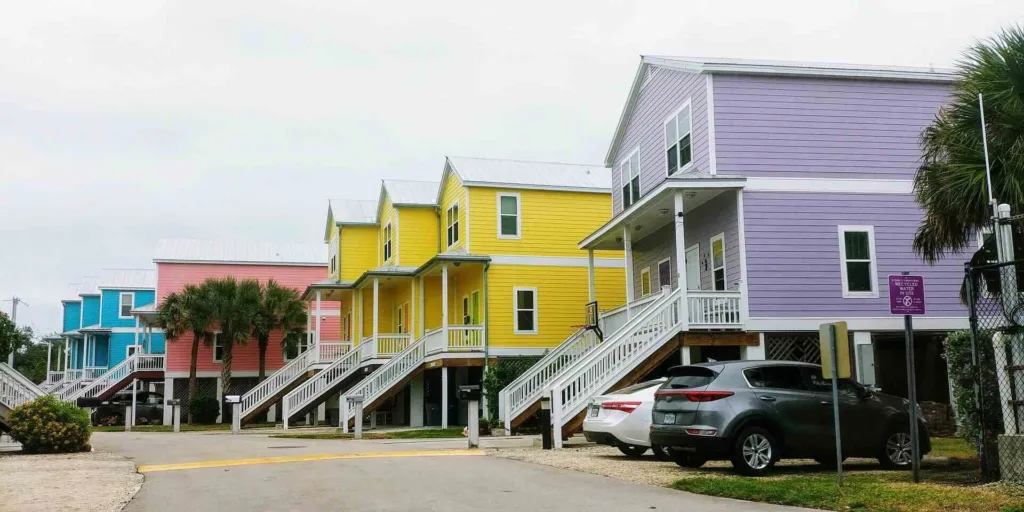
Florida Keys homeowners need to identify seasonal damage, prevent costly repairs, and prepare their properties for the 2026 hurricane season through systematic room-by-room assessment and professional maintenance scheduling.
Key Takeaways:
- Early detection saves money—small January issues become costly June problems in the aggressive Florida Keys climate
- Holiday wear reveals weak points through stress-testing your home’s systems with extra guests and activities
- January through April offers optimal timing for repairs with better contractor availability and weather cooperation
- Salt air, humidity, and UV exposure accelerate home deterioration 30-40% faster than mainland properties
- Professional expertise is essential for roofing, windows, doors, and siding in coastal environments
- Impact-resistant upgrades reduce insurance premiums while providing year-round hurricane protection
- Monthly inspections, quarterly deep checks, and annual assessments prevent emergency repairs
- Documentation of all maintenance protects insurance claims and increases resale value
When was the last time you really looked at your home—not just lived in it, but truly inspected it? The holiday season brings family, festivities, and often a fair amount of wear and tear that goes unnoticed until it becomes a problem. For homeowners across the Florida Keys, the start of a new year is a perfect opportunity to give your home the attention it deserves before the storm season arrives.
Why January Inspections Matter in the Florida Keys
Your home in the Florida Keys faces challenges that mainland properties simply don’t encounter. The constant salt spray, relentless sun, high humidity, and seasonal storms create a perfect storm of deterioration factors.
The postholiday period offers a strategic advantage. You’ve just put your home through an intensive use period, which naturally reveals vulnerabilities. Additionally, the relatively mild winter weather provides ideal conditions for both inspection and repair work.
Consider this: a minor roof leak discovered in January costs a fraction of what the same leak will cost after it’s been soaked by spring rains and battered by summer storms. According to the National Association of Home Builders, the average roof repair costs between $379 and $1,761 while full roof replacement averages $8,000 to $12,000. For homeowners in Marathon or Key Largo, that difference can mean thousands of dollars.
Room-by-Room Walkthrough: Your Complete Inspection Guide
A systematic approach ensures that you don’t miss critical issues that could compromise your home’s integrity. The following room-by-room inspection process addresses the specific challenges faced by Florida Keys properties, from salt air corrosion to hurricane vulnerability.
Exterior: Your Home’s First Line of Defense
Start outside where the elements hit hardest. The exterior of your Keys home takes a beating year-round, and the holiday season often adds extra stress from decorations, increased traffic, and outdoor entertaining.
- Roof inspection from the ground—Use binoculars to examine your roof without climbing. Look for missing, cracked, or curling shingles—especially common after December’s occasional cold fronts. Check for any sagging areas or visible damage to flashing around chimneys and vents.
Pay special attention to areas where holiday lights were attached.Clips and fasteners can lift shingles or damage protective coatings. If you notice multiple damaged shingles, widespread granule loss, or any area where the underlying structure is visible, it’s time to consider professional roof repair or potentially roofing replacement. - Siding assessment—Walk your home’s perimeter and examine every wall. In Key West and Islamorada, where historic wood siding remains common, look for paint failure, wood rot, or separation between boards. For homes with vinyl or fiber cement siding, check for cracks, warping, or pieces that have come loose.
Salt air accelerates siding deterioration dramatically. What might seem like minor cosmetic damage can quickly become a water intrusion point. If more than 30% of your siding shows significant wear, or if you’re dealing with recurring moisture problems, siding replacement becomes more cost-effective than ongoing repairs. - Window and door inspection—Test every window and door in your home. They should open and close smoothly without sticking or gaps. Check weather stripping and caulking as these seals degrade rapidly in Keys humidity and UV exposure.
Look for condensation between double-pane glass, which indicates seal failure. Examine frames for soft spots, especially in wood frames exposed to our climate. If windows are difficult to operate, don’t seal properly, or show visible damage, window replacement improves both energy efficiency and storm protection—critical considerations for any Keys homeowner.
Run your hand around door frames while someone else holds a flashlight on the opposite side. Any light penetration indicates gaps that waste energy and provide entry points for water during storms. Exterior doors should have solid cores for wind resistance. If your doors are original to a home built before 2000, modern door replacement options offer dramatically improved energy efficiency and hurricane resistance. - Foundation and crawl spaces—Some Keys homes have traditional foundations while others don’t, but check whatever structural base your home has. Look for cracks, settling, or areas where water pools after rain. Check exposed pilings for corrosion or marine growth if you’re in an elevated structure.
Kitchen: High-Traffic Hub
The kitchen works overtime during the holidays, and that intensive use often reveals problems that simmer quietly the rest of the year.
- Cabinet and drawer functions—Open every cabinet and drawer. Hardware should be secure and surfaces should move smoothly. Look inside lower cabinets with a flashlight, checking for water stains, musty odors, or warping that indicates plumbing leaks.
- Plumbing inspection—Check under sinks for any moisture, corrosion, or mineral deposits. Run the disposal and listen for unusual sounds. The saltwater environment in the Keys is especially hard on metal components, and holiday cooking marathons stress systems significantly.
- Appliance assessment—If your refrigerator worked harder than usual keeping drinks cold for guests, check the condenser coils and listen for any unusual sounds. Inspect the dishwasher door seal and spray arms. Run a cycle and watch for leaks.
- Ventilation check— Your range hood likely saw heavy use. Clean or replace filters and verify the exhaust fan works properly. Proper kitchen ventilation is crucial in the Keys to manage humidity and prevent mold growth.
Bathrooms: Moisture Management Critical Zones
Bathrooms in the Florida Keys face constant moisture challenges even without holiday guests. Extra use intensifies these issues.
- Grout and caulk inspections—Examine all tile grout lines and caulked seams. Cracked or missing grout allows water penetration that damages underlying structures. In the Keys’ humid environment, this deterioration happens faster than in drier climates.
- Ventilation assessment—Turn on exhaust fans and verify strong airflow. Hold a tissue near the vent—it should be pulled toward the opening. Poor bathroom ventilation in our climate leads to mold growth and structural damage quickly.
- Toilet and fixture check—Look for water stains around toilet bases, which indicate wax ring failure. Check all faucets for drips and verify proper drainage. Slow drains suggest buildup that will worsen without attention.
- Water damage signs—Examine ceilings and walls carefully for any discoloration, soft spots, or peeling paint. These indicate active leaks that require immediate attention in our humid climate.
Living Areas: Comfort and Efficiency
Guest rooms and living spaces reveal problems when they’re used intensively during the holidays.
Window treatments and seals. After being opened and closed frequently for guests, windows may show seal or operational issues. Check for smooth operation and proper latching; this is critical for hurricane protection.
- Door operation—Interior doors should close properly and latch securely. Sticking or binding often indicates humidity damage to frames or hinges—common in Keys homes without proper climate control.
- Electrical outlets—Test outlets, especially those used for holiday decorations. Any that are warm to touch, sparking, or nonfunctional need immediate professional attention.
- Climate control performance—Did your HVAC system keep up with extra guests and cooking? If rooms were uncomfortably warm or cool, your system may need service or upgrading.
Attic and Upper Spaces
If you have an accessible attic or upper storage space, it’s a critical inspection point for Keys homeowners.
- Insulation check—Verify insulation is dry and evenly distributed. Wet or compressed insulation indicates either roof leaks or condensation problems. In the Keys, proper attic ventilation and insulation directly impact cooling costs and moisture control.
- Roof decking from inside—Look at the underside of your roof decking for water stains, rot, or sagging. Use a flashlight to examine thoroughly. Any light penetration through the roof surface requires immediate roof repair.
- Ventilation assessment—Proper attic ventilation is essential in our climate to prevent moisture buildup and reduce cooling costs. Check that vents are unobstructed and screens are intact.
Seasonal Damage Signs: What December’s Weather May Have Revealed
The holiday season in the Florida Keys brings certain weather challenges that can damage your home in predictable ways.
Cold Front Impact
While we don’t experience harsh winters, December and January cold fronts create temperature fluctuations that stress building materials differently than constant heat.
- Expansion and contraction damage—Temperature swings cause materials to expand and contract. This movement opens gaps in caulking, loosens fasteners, and can crack brittle materials. Check anywhere dissimilar materials meet—where siding meets trim, around windows and doors, and where different roofing materials join.
- Wind-driven rain penetrationt—Cold fronts bring strong north winds that drive rain into areas normally protected. Look for water stains in unexpected places, especially on north-facing walls and around windows. This type of intrusion often reveals vulnerabilities that will become major problems during summer storms.
Salt Air Corrosion
The corrosive effects of salt air accelerate during winter months when humidity is high and temperatures fluctuate.
- Metal component inspection—Examine all exterior metal: fasteners, flashing, railings, light fixtures, and door hardware. Look for rust stains, corrosion, or deterioration. In Key Largo and Islamorada, homes closer to the ocean face aggressive salt exposure.
- Protective coating failure—Paint and sealants protect underlying materials from salt damage. Any areas where coatings have failed need immediate attention to prevent accelerated deterioration of the substrate material.
Holiday-Specific Wear Patterns
The corrosive effects of salt air accelerate during winter months when humidity is high and temperatures fluctuate.
Essential Maintenance Tasks: Your January Action Plan
Inspection reveals problems, but maintenance prevents them. These tasks should be on every Keys homeowner’s January calendar.
According to the Insurance Information Institute, homeowners who perform regular maintenance can reduce repair costs by up to 50% and extend the lifespan of major home systems by 15-25 years. In the harsh Florida Keys environment, this preventive approach becomes even more critical.
Immediate Priority Tasks
These high-impact maintenance items should be completed within the first two weeks of January. They address the most common postholiday issues and prepare your home for the months ahead.
- HVAC filter replacement—After working hard through the holidays, your air conditioning system needs a fresh filter. In the Keys, filters should be changed monthly during peak use periods. A clean filter improves efficiency and indoor air quality while reducing strain on your system.
The Department of Energy reports that replacing dirty air filters can lower your air conditioner’s energy consumption by 5-15%, a significant savings given that cooling accounts for approximately 27% of home energy use in Florida. - Gutter and downspout cleaning—Remove leaves, debris, and any holiday decoration remnants from gutters. Verify downspouts direct water well away from your foundation. In Marathon and Key West, even brief heavy rains can cause problems if gutters are clogged.
- Caulk and seal touch-ups—xamine and refresh caulking around windows, doors, and any exterior penetrations. Our climate degrades these seals rapidly, and maintaining them prevents water intrusion and improves energy efficiency.
- Smoke and CO detector testing—Test all detectors and replace batteries if needed. Most people do this in fall, but postholiday’s perfect for Keys residents who may have skipped it during peak tourist season.
Monthly Maintenance Schedule
Establishing a monthly routine prevents small issues from becoming emergencies. These quick checks take minimal time but provide maximum protection for your investment.
- Air filter inspection—Even if you don’t replace monthly, inspect filters to determine your specific replacement schedule based on actual use and conditions.
- Drain maintenance—Pour water down infrequently used drains to maintain trap seals and prevent odors. In vacation rentals or homes with guest quarters, this prevents problems in lesser-used areas.
- Weather stripping check—Inspect and test weather stripping monthly. The constant humidity and temperature cycling in the Keys degrades these materials faster than in other climates.
Seasonal Maintenance Calendar
Aligning major maintenance tasks with seasonal weather patterns maximizes efficiency and ensures your home is prepared for the challenges each season brings.
- Prestorm season preparation (April-May)—Before June 1st, complete any identified repairs, install storm shutters or panels, trim trees near structures, and stock emergency supplies. This is your window in which to schedule any needed roof repair, window replacement, or door replacement before contractor schedules fill up.
The National Hurricane Center reports that the Atlantic hurricane season produces an average of 14 named storms annually, with the Florida Keys in the direct path of many systems. Preparation during spring months is essential for property protection. - Midseason inspection (August)—After the initial storm activity, do a quick check of your property for any damage that needs addressing before the peak months of September and October.
- Poststorm season assessment (November)—After storm season ends, conduct a thorough inspection for any damage that occurred and begin planning repairs for the quiet season.
- Annual deep maintenance (January-March)—Use the mild weather months for major maintenance tasks, professional inspections, and significant home improvement projects.
When to Call Professionals: DIY Limits in the Keys
Island living creates unique challenges that require specialized expertise. Understanding when to call professionals protects both your home and your investment.
The Federal Emergency Management Agency (FEMA) estimates that every dollar spent on disaster mitigation, including proper home maintenance and upgrades, saves society six dollars in future disaster costs. For individual homeowners, professional repairs and upgrades provide even more significant returns through reduced insurance premiums and prevented damage.
Roofing Concerns
Roofing work in the Florida Keys requires specific expertise in wind-resistant installation techniques and materials rated for our unique climate challenges.
- Call for roof repair if you notice multiple damaged or missing shingles, any sagging areas, daylight visible from the attic, water stains on ceilings, or if your roof’s approaching 15 years old.
- Consider roofing replacement if your roof has sustained storm damage affecting more than 30% of the surface, you’re experiencing multiple leak points, the roof is over 20 years old, or you’re planning to sell soon. In the Keys, a new roof is a significant selling point and often pays for itself in home value.
Florida’s building codes require professional installation for roofing work, and for good reason. Hurricane-rated roofing installation requires specific techniques and materials that only licensed contractors understand fully.
Window and Door Issues
Modern impact-resistant windows and doors provide essential protection while offering energy efficiency improvements that pay dividends year-round.
- Call for window replacement if windows won’t open or close properly, you see condensation between panes, frames show rot or deterioration, or you’re experiencing high energy bills despite adequate HVAC performance.
Modern impact-resistant windows offer hurricane protection while improving energy efficiency dramatically. For homes in Islamorada or Key West with original windows, replacement often pays for itself in reduced insurance premiums and energy savings within a few years. - Schedule door replacement if doors don’t seal properly, you see daylight around closed doors, frames show deterioration, or doors are original to a home built before impact-resistant standards were common.
Impact-rated doors provide security and storm protection while improving insulation. Professional installation ensures proper sealing and performance, which is critical in our wind-driven rain environment.
Siding Problems
Siding protects your home’s structural envelope from the relentless assault of salt air, UV radiation, and moisture intrusion.
Call for siding replacement if more than 30% of your siding shows damage, you’re dealing with recurring moisture intrusion, siding is pulling away from the structure, or you’re tired of constant repainting.
Modern fiber cement siding stands up to salt air far better than wood while offering superior fire resistance and minimal maintenance. Professional installation ensures proper moisture barriers and attachment methods that protect against hurricane-force winds.
Electrical and Plumbing Red Flags
The combination of salt air and constant humidity creates challenging conditions for electrical and plumbing systems in coastal homes.
- Never DIY situations such as frequent breaker trips, any burning smell near electrical components, outlets that spark or feel warm, main panel upgrades, or whole-house rewiring needs.
- Call a plumber immediately for: Sewer odors, multiple clogged drains, low water pressure throughout the house, visible corrosion on pipes, or any water heater issues.
The combination of salt air and humidity makes electrical and plumbing systems in the Keys particularly vulnerable. What seems like a minor issue can indicate serious corrosion or deterioration that only professionals can properly address.
Structural Concerns
In a region in which hurricane-force winds can test every connection and component of your home, Structural integrity is nonnegotiable.
Professional assessment is required for any cracks in foundations or structural supports, doors or windows suddenly sticking or not closing, floors that feel soft or bounce, new or expanding cracks in walls or ceilings.
These symptoms can indicate foundation settlement, structural damage, or serious moisture problems. In elevated Keys homes, piling integrity is critical and should be inspected by structural engineers familiar with coastal construction.

Insurance Documentation: Protect Your Investment
As you conduct your postholiday inspection, document everything. The Florida Keys insurance market is complex, and proper documentation can make the difference between claim approval and denial.
- Photograph everything—Take clear, dated photos of any damage or areas of concern. Include wide shots for context and close-ups for detail. Store these digitally with cloud backup as hurricane season could destroy local copies.
- Maintain maintenance records—Keep receipts and records for all repairs and maintenance. This documentation proves you’ve maintained your property responsibly, which can be crucial for insurance claims as well as helps with resale value.
- Update your home inventory—January is perfect for updating your inventory of possessions. The holiday season probably brought new items while you may have discarded old ones. Photograph valuables and keep records off-site.
- Review your coverage—Meet with your insurance agent to ensure that your coverage matches your home’s current value and your possessions. The Keys real estate market has seen significant appreciation so, as a result, many homeowners are actually underinsured.
Creating Your Personalized Maintenance Schedule
Every home is different, but every Keys home needs a structured maintenance approach. Here’s how to create a schedule that works for your specific property.
- Start with a baseline inspection—Use this guide to complete a thorough initial assessment. Note every issue, from minor caulk gaps to major concerns requiring professional attention.
- Prioritize by urgency and impact—Separate findings into three categories: immediate safety concerns, items that prevent further damage, and improvements that enhance comfort or efficiency.
- Build your calendar—Use the seasonal guidance above to schedule specific tasks. Set phone reminders for monthly checks and calendar blocks for seasonal deep maintenance.
- Track completion and results—Note when you complete tasks and any observations. This creates a maintenance history that helps you to understand your home’s patterns and needs.
- Adjust based on your home’s age and location—Oceanfront homes in Key West need more frequent inspections than inland Marathon properties. Also, older homes require more attention than new construction.
Location-Specific Considerations
While all Florida Keys homes share common challenges, each island community has unique characteristics that affect maintenance priorities.
Key Largo Homes
The Upper Keys experience slightly different weather patterns and salt exposure than the lower islands. Homes here often have deeper lots with more vegetation, requiring attention to tree trimming and landscape drainage. The proximity to Biscayne Bay means many properties face both ocean and bay exposure, doubling salt air challenges.
Islamorada Properties
Known for fishing and exposed to open ocean, Islamorada homes face intense salt spray and wind exposure. Hurricane preparedness is particularly critical here. Window replacement and door replacement should prioritize impact resistance given the exposure levels.
Marathon Residences
Positioned in the Middle Keys, Marathon offers slightly more protection from open ocean exposure for some properties. However, the bridge system means many homes are particularly exposed to wind patterns. Roof repair and roofing replacement should account for high wind exposure from multiple directions.
Key West Considerations
The historic nature of many Key West properties presents unique maintenance challenges. Older construction methods and materials require specialized approaches. However, the density of development provides some wind protection compared to more exposed island locations. Balance historic preservation with modern protection needs, especially for window replacement and siding replacement projects.
Sources of information:
- Federal Emergency Management Agency (FEMA): Basic Preparedness
- Insurance Information Institute (Triple-I): Facts + Statistics: Homeowners and renters insurance
- International Code Council (ICC): Digital Codes: 2023 Florida Building Code, Residential, Eighth Edition
- National Association of Home Builders (NAHB): Guide to Routine Home Maintenance
- National Association of Home Builders (NAHB): Operating Costs of Owning a Home
- National Hurricane Center (NHC) and Central Pacific Hurricane Center: 2025 Atlantic Hurricane Season
- U.S. Department of Energy (DOE): DOE Efficient New Homes Program
Frequently Asked Questions
Understanding common concerns helps homeowners make informed decisions about their property maintenance and improvement priorities.
How often should I inspect my Florida Keys home?
Conduct a quick visual inspection monthly, checking for obvious issues like roof damage, water intrusion, or equipment problems. Complete a thorough room-by-room inspection quarterly, with deep annual inspections in January and August. After any significant weather event, do an immediate assessment regardless of your regular schedule.
What’s the most important maintenance task for Keys homeowners?
If forced to choose one, maintain your roof religiously. Your roof is your primary protection against our biggest threats—sun, rain, and storms. Regular inspections, prompt roof repair, and timely roofing replacement when needed protect everything else in your home.
When is the best time to schedule home improvement projects in the Keys?
January through April offers the ideal window. Weather is more predictable, humidity is lower making some work easier, and contractor availability is typically better. Most importantly, you’ll complete projects before June 1st when hurricane season officially begins.
How do I know if I need window replacement or just repair?
Replace windows if they’re over 20 years old, won’t open or close properly, show seal failure (condensation between panes), or aren’t impact-rated. Repair makes sense for minor issues like broken hardware or damaged screens. In the Keys, the insurance benefits and storm protection of modern impact windows often justify replacement even when repair is technically possible.
What should I look for in a contractor for major projects like roofing replacement or siding replacement?
Verify Florida licensing, confirm they carry proper insurance, check references from other Keys homeowners, and ensure they understand local building codes and wind-resistant installation requirements. Look for contractors who’ve worked through hurricane seasons—they understand urgency and quality requirements better than newcomers.
How does living in the Keys affect the lifespan of home components?
Everything degrades faster here. Roofs last 15-20 years instead of 25-30. Paint needs refreshing every 3-5 years instead of 7-10. HVAC systems work harder and wear faster. Budget for replacement and maintenance cycles about 30-40% shorter than mainland recommendations.
Should I be concerned about mold in my Keys home?
Humidity and warmth create ideal mold conditions. Proper ventilation, air conditioning use, and quick response to water intrusion prevent most problems. If you smell musty odors, see visible growth, or have unexplained allergies, get professional mold assessment immediately.
What’s the biggest mistake Keys homeowners make with maintenance?
Delaying small repairs. In our aggressive climate, minor issues become major problems quickly. A small roof leak becomes structural damage. Loose siding becomes water intrusion. Failed caulk becomes rotted framing. Early attention saves thousands later.
Do I really need impact-resistant windows and doors if I have shutters?
Impact protection offers benefits beyond hurricane preparation. It improves security, reduces insurance costs, provides UV protection, and improves energy efficiency. Shutters work, but impact-rated window replacement and door replacement provide protection 365 days a year without installation effort before each storm.
How can I prepare my home for hurricane season on a budget?
Start with free or low-cost tasks: clean gutters, trim trees, secure loose items, test shutters, and review your insurance. Prioritize the most vulnerable areas and, if your budget allows for only one upgrade, focus on protecting openings (windows and doors) first. Many contractors offer financing, and insurance discounts can offset costs over time.
Take Action: Your Home Deserves Professional Attention
You’ve invested in paradise: a home in one of the most beautiful places on Earth. The Florida Keys offers an unmatched lifestyle, but that lifestyle comes with maintenance responsibilities that protect your investment and your family.
This inspection guide gives you the knowledge to identify issues early, but knowledge alone doesn’t fix problems. The difference between a minor repair and a major disaster often comes down to timing and professional expertise.
If your inspection revealed concerning signs such as damaged shingles, failing windows, deteriorating siding, or doors that don’t seal properly, the time to act is now, not after the first hurricane watch of the season.
Professional door replacement, roof repair, roofing replacement, siding replacement, and window replacement aren’t just home improvements. They’re investments in your property’s longevity, your family’s safety, and your peace of mind when the next storm forecast appears.
Whether you’re watching the sunrise in Islamorada, planning your next dive trip in Key Largo, enjoying the middle islands lifestyle in Marathon, or soaking in the Key West sunset, your home should be your sanctuary—protected, efficient, and ready for whatever Mother Nature sends our way.
Don’t wait for small problems to become emergencies. Reach out to qualified professionals who understand the unique challenges of Keys living. Get assessments from licensed contractors who can provide honest evaluations and fair quotes for the work your home needs.
The next few months offer the perfect opportunity to address issues before they worsen and before contractor schedules fill up as storm season approaches. Your home has been good to you through another holiday season so why not return the favor with the attention and care it deserves?