
Choosing the right roof for your home in Florida is one of the most important decisions you will make for your property. The intense sunlight, strong winds, heavy rains, and salt in the air can cause serious wear and tear on many materials. That’s why it’s essential to consider roof types that aren’t just aesthetically pleasing, but also built to handle what Florida throws at them.
The right roof will help lower energy costs, resist storm damage, and require fewer repairs over time. Each roof option has strengths and weaknesses, which we will break down in this guide to help homeowners understand what works best for Florida’s conditions.
1. Metal Roofing
Metal roofing continues to be one of the leading choices for homes in Florida because it’s made to handle demanding weather. Among the many types of roofs in Florida, this one stands out thanks to its strong ability to protect homes from hurricane-force winds.
The surface reflects sunlight instead of trapping heat, which helps reduce cooling costs during peak summer months. This level of energy efficiency is a huge advantage in a state where air conditioning runs most of the year.
Metal roofing is lighter than other roofing materials, making it a good match for older homes that cannot support a heavy weight. Many homeowners hesitate due to the higher initial cost, which tends to be more than other Florida roofing materials, such as asphalt shingles. While metal is built to last, it isn’t always quiet during a rainstorm. Without proper insulation, raindrops can create a lot of noise.
Some homes located close to the coast also face potential rust issues if the metal isn’t treated or coated correctly. Whether you choose a standing seam metal roof or another style, metal remains one of the most durable roofs for Florida, giving homeowners peace of mind through every season.
2. Asphalt Shingles
Asphalt shingle roofs are easy to find, install, and replace. That’s one reason they’re among the most common roofing materials used on homes throughout Florida. These shingles fit well on many styles of homes and come in a range of colors. After storms or high winds, it’s simple to remove damaged shingles and patch the areas quickly, which helps reduce the cost of roof repairs.
But asphalt roofing faces more wear and tear in Florida than it might in other parts of the country. The constant sun, high humidity, and sudden weather changes make asphalt roof surfaces break down more quickly. Some shingles are designed to handle strong winds and impact, but others may start curling or pulling away from the roof deck within ten to fifteen years. Algae and mildew also build up fast, leaving stains and dark patches that affect the appearance.
While asphalt shingles are good for those who need a basic roof at a lower cost, they aren’t always the best roofing materials for homes in Florida’s climate. Florida roofing materials must be chosen with durability in mind, and asphalt doesn’t always hold up as long as other options.
3. Concrete Tile Roofing
Concrete tile roofs are built to stay strong and steady even as Florida’s weather changes rapidly. These tiles handle intense sun, heavy rainfall, and high winds without losing strength. With their ability to absorb and release heat slowly, concrete tiles help keep homes cooler, making them one of the best roofing materials for energy-conscious residents. Fire resistance is another benefit, especially in areas prone to dry conditions and lightning storms.
There are tradeoffs with concrete roofing. Concrete tile roofs are very heavy. Before installation, roof reinforcement may be necessary, especially for older structures that weren’t designed to support that much weight. The tiles can also crack if someone walks across them or if debris falls during a storm. Another thing to watch for is algae buildup, which is common on concrete roofs in humid zones. Periodic cleaning helps, but adds to maintenance.
Despite these downsides, concrete tile roofs offer a tough and reliable solution. For Florida homeowners who want lasting protection and don’t mind occasional roof repairs or upkeep, concrete tile roofing can be a smart, long-term investment.
4. Clay Tile Roofing
Clay tile roofs are known for their beauty, especially on homes with Mediterranean or Spanish architecture. But their value goes far beyond appearance. Clay tiles are naturally resistant to extreme heat, which makes them one of the best roof choices for Florida weather. They also resist insects, moisture, and decay, making them ideal for areas with high humidity and regular rain.
The life span of a clay tile roof is impressive. Many last for decades with minimal attention. Unlike wood roofs or shingle roofs, clay tile roofs don’t break down quickly in Florida’s intense sunlight. However, the tiles are fragile. Just walking across a clay tile roof can cause damage, and strong winds from hurricanes may cause pieces to crack unless the tiles are securely fastened.
Installation is complex and requires skilled labor, which leads to higher roof replacement costs. Roof reinforcement may also be necessary due to the weight of the clay tiles. Even with these concerns, clay tile roofs remain a top choice for those who want a strong, attractive roof in Florida that can withstand harsh weather conditions and still offer curb appeal.
5. Slate Roofing
Among all the roofing systems used in Florida, slate offers some of the most impressive durability and natural beauty. Slate roofs can last a hundred years or more. They resist fire, mold, and water, and they also do well in areas that experience strong winds. When installed correctly, slate doesn’t need much attention, which means homeowners can count on low maintenance.
However, slate roofs are heavy, and most homes cannot support that weight without changes to the structure. Skilled professionals must be hired to install or replace the tiles, and the costs for both material and labor are usually high. If a tile breaks, repairs must be handled carefully, and mismatched replacements can affect both appearance and protection.
Slate roofs aren’t common on all homes in Florida due to these challenges. But for those looking for durable roofs for Florida that also offer a timeless look and minimal upkeep, slate may be one of the best options available. It remains a preferred choice for luxury homes or historic properties.
6. Flat Roofs
Flat roofs are popular on modern houses and commercial buildings across Florida. With a simple design and easy access to the surface, they work well for homes where solar panels or air conditioning units need to be added to the roof. These roofs often use synthetic materials like TPO and EPDM that resist sunlight and are flexible enough to handle movement and weather changes.
That said, flat roofs need good drainage systems. Florida summers bring heavy rainfall, and without the right slope or exit points, water will collect and cause leaks. Over time, the heat and humidity can wear down the surface if the material isn’t maintained. Regular inspections and sealing help extend the life of the flat roof, but the lifespan is typically shorter than that of sloped roofs.
Flat roofs continue to be used in coastal areas and for newer homes because they offer a clean design and added surface utility. When built with care and maintained properly, they offer reliable coverage against Florida’s climate. Still, they require attention, especially after storms.
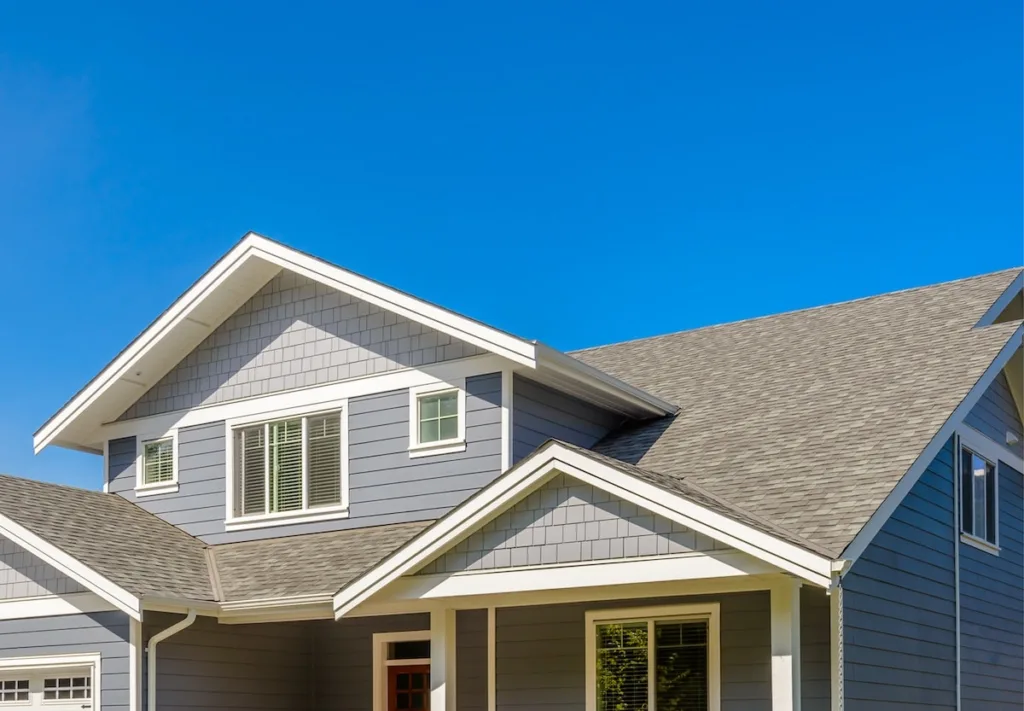
Understanding the Cost and Lifespan of Popular Florida Roofing Materials
The price you pay for a new roof in Florida depends heavily on the material, but so does how long it will last. Not every roof handles Florida’s strong sun, storms, and humidity the same way.
Asphalt shingles are the most affordable, usually costing less upfront but lasting only 15 to 20 years in this climate. Flat roofs, often seen on coastal or modern homes, require routine care and typically last 10 to 20 years, depending on how well they’re installed. Clay tile roofs tend to cost more to install, but they offer excellent heat resistance and can last 50 to 60 years with minimal upkeep.
Concrete tiles fall in the same range and handle storms better, though both types require roof reinforcement. Metal roofing is a pricier option, but it holds up for 40 to 70 years. Slate roofs last the longest, often beyond 100 years, but come with the highest cost and structural demands. If you want to replace your existing roof or want to learn more about which roof is best for your Florida home, get in touch with us.
Choosing the Best Roof For Your Florida Home
As you explore different roofing types for your Florida home, it’s important to weigh both the short-term costs and the long-term value. A roofing project should match your home’s structure, your lifestyle, and Florida’s weather conditions. Whether you’re considering clay tiles, concrete tiles, metal roofing, or flat roofs, choosing the best roof for Florida weather means understanding how each type stands up to heat, moisture, and wind.
At Lindholm Exteriors, we help homeowners select Florida roofing materials that bring strength, style, and confidence to every property. We offer roofing installation for all the best types of roofs in Florida. Allow our roofing contractors to handle all your roofing needs and help you make the right choice for a lasting and secure home.